

What are some cultural differences between Vietnamese and Western countries?

Located in Southeast Asia, Vietnam is known for combining Western and Eastern cultures, resulting in a unique blend of traditions and customs. Let’s explore 4 significant cultural distinctions between Vietnam and other nations. This will provide you with a deeper understanding of the fascinating nation, whether you’re interested in learning more about it or considering immigrating there.
1. Celebrate both traditional parties and festivals
With its diverse culture, Vietnam always prioritizes most of the traditional and private celebrations, such as the Tet Festival, Trung Thu Festival, weddings, etc.
On these occasions, they frequently invite their relatives and close-knit friends, including foreigners who embrace teaching jobs in Ho Chi Minh City, to attend. This not only enhances their relationships but also helps overseas friends have a deeper understanding of Vietnamese culture.
Despite being a newcomer and unfamiliar with the community, you have been welcomed into their midst, even to private events.
That sounds weird if you were born and raised in the majority of Western countries. Westerners commonly tend to host private parties with the participation of family members and closest friends.
2. Enjoy Vietnamese cuisine
Many different kinds of foods from Asia to Europe gather in Vietnam, particularly in Saigon; consequently, tourists can easily find suitable restaurants.
In Vietnam, each region boasts its own specialties and traditional dishes, which are combined to create a diverse and unique cuisine that cannot be replicated by any other country’s culinary traditions.
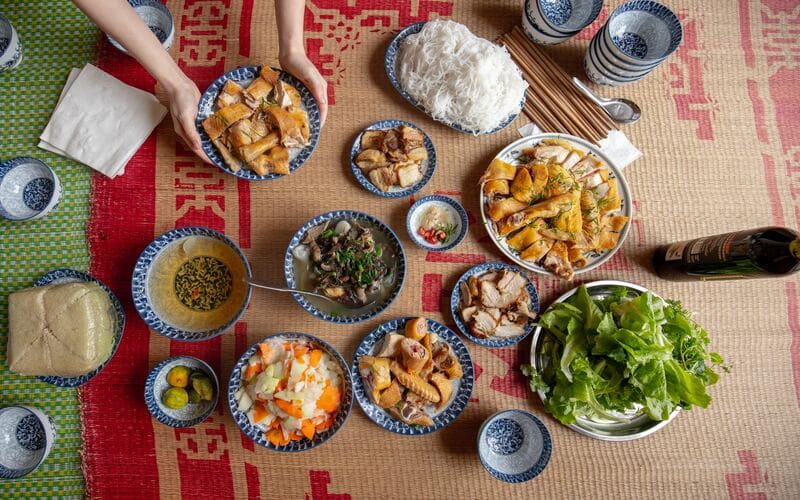
Vietnamese people frequently go to traditional markets every morning because the ingredients are fresh and delicious all the time, allowing them to prepare many tasty dishes. The process of cooking meals in Vietnamese families is time-consuming since the Vietnamese generally put a lot of effort into cooking and prefer to enjoy it together with their family.
Westerners often preserve cooking ingredients for a week or more; they also don’t waste much time cooking due to being busy at work. This is the main point of cultural distinction between Vietnamese culture and Western culture in cuisine.
In addition to the traditional and well-known dishes, you’ll be pleasantly surprised by the Vietnamese street food. Walking along the streets in Ho Chi Minh City, you will likely come across many stalls selling food and drink. Honestly, foreigners, including those who take on teaching jobs in Ho Chi Minh City, come to Vietnam, and they prefer to enjoy Vietnamese cuisine like locals instead of usually going to expensive restaurants. As a consequence, Vietnamese street food is popular among the expatriate community in general and “foodaholics” in particular.
3. Participate in transportation
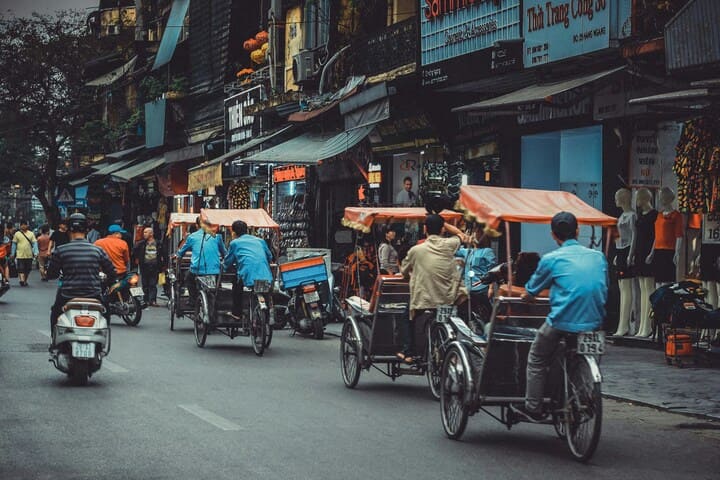
Vietnam’s transportation, especially in big cities like Ho Chi Minh City or Hanoi, is considered utterly chaotic. To avoid unexpected situations, it is important to learn how to cross the streets to get familiar with Vietnam’s transportation system.
Despite the fact that crosswalks exist on most streets in Vietnam, locals typically don’t use them. Instead, they cross streets with tons of vehicles unsystematically moving around.
In contrast, Western countries have a more organized transportation system where motorcycles are not as prevalent.
4. Prioritize the bond between people and be willing to help foreigners
Don’t worry if you fall into unpredicted situations; the locals are always willing to help you. In their traditional conception, Vietnamese people believe in helping others as if they were helping themselves. For this reason, foreigners who have lived in Vietnam always assume that the Vietnamese are very friendly and willing to support them in any aspect.
Building meaningful relationships with people, even strangers, sounds unfamiliar to those living in other countries. However, in Vietnam, the locals are well known for their warm hospitality and will welcome you into their extended family with open arms.
Alongside, Vietnamese culture has differences, including both behaviors and conceptions. These differences can be attributed to the cultural interplay between Western and Eastern influences, as well as Vietnam’s unique developmental trajectory. Furthermore, the presence of immigrant populations from various countries around the world contributes to the diversity of Vietnamese culture.
Are you ready to adopt teaching jobs in Ho Chi Minh City as a stable position to cover your living expenses there? Feel free to contact us for more information at: https://teach.emg.vn/primary-lower-secondary-and-high-school-teachers/
More information:
- 4 public holidays in Vietnam you should attend for the first time
- 4 advantages of working in Ho Chi Minh City’s center
- Dos and don’ts if you live in Ho Chi Minh City
| EMG Education is a reputable education organization in Vietnam. Its mission is to provide Vietnam learners across all ages an opportunity and the right preparation to succeed on the global stage. Founded in 2005, EMG Education has always been an innovative trailblazer in Vietnam’s education scene, constantly finding new ways to empower Vietnamese learners by expanding their access to world-class curricular and learning materials, and globally-recognized qualifications. |